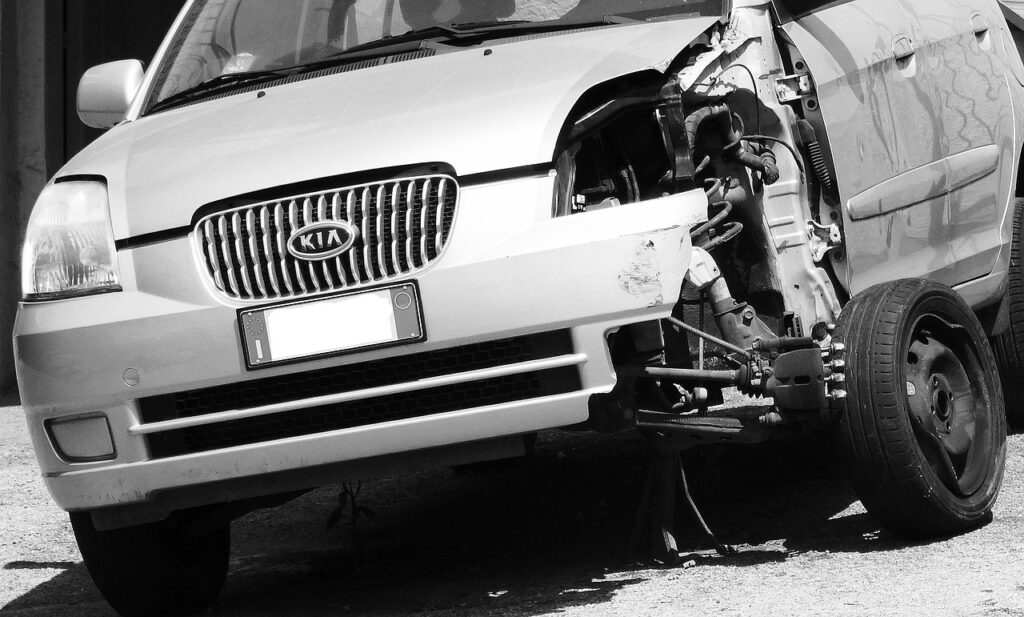
Protecting your livelihood goes beyond skill and dedication. For tradespeople, contractors, and businesses that rely on tools and equipment, safeguarding your investments against unforeseen events is paramount. Tools and equipment insurance provides a crucial safety net, ensuring that your business can recover quickly from theft, damage, or loss, and minimizing disruptions to your operations.
Understanding Tools and Equipment Insurance
What is Tools and Equipment Insurance?
Tools and equipment insurance is a type of property insurance that specifically covers the cost of replacing or repairing your tools and equipment if they are damaged, lost, or stolen. It is designed to protect valuable assets that are essential for your business operations.
- Example: Imagine you are a carpenter, and your entire set of power tools, including saws, drills, and sanders, are stolen from your job site overnight. Tools and equipment insurance would help cover the cost to replace these tools, allowing you to resume work quickly.
- Key Difference: Unlike general liability insurance, which covers third-party bodily injury or property damage, tools and equipment insurance focuses solely on your own tools and equipment.
Who Needs Tools and Equipment Insurance?
Any individual or business that relies on tools and equipment to generate income should consider this type of insurance. This includes, but is not limited to:
- Construction workers (carpenters, electricians, plumbers, etc.)
- Landscapers and gardeners
- HVAC technicians
- Mechanics
- Photographers and videographers
- Musicians
- Small businesses using specialized equipment
- Freelancers using expensive tools for their trade
Why is Tools and Equipment Insurance Important?
The financial impact of replacing stolen or damaged tools can be significant, especially for small businesses and independent contractors. Here’s why insurance is crucial:
- Financial Protection: Covers the cost of replacing or repairing damaged or stolen tools and equipment, preventing substantial out-of-pocket expenses.
- Business Continuity: Allows you to quickly replace essential items and continue working without significant delays, minimizing income loss.
- Peace of Mind: Provides reassurance knowing that your valuable assets are protected against unforeseen events.
- Contractual Requirements: Many clients or general contractors require subcontractors to carry tools and equipment insurance.
What Does Tools and Equipment Insurance Cover?
Common Covered Perils
Tools and equipment insurance typically covers a range of perils, including:
- Theft: Coverage for stolen tools and equipment, often requiring evidence of forced entry or secure storage.
Example: If your tools are stolen from your locked van, insurance can cover the replacement cost.
- Fire: Coverage for damage caused by fire.
Example: If a fire breaks out in your workshop and damages your equipment, insurance will help with repair or replacement.
- Vandalism: Coverage for damage caused by acts of vandalism.
Example: If someone vandalizes your construction site and damages your machinery, insurance can help cover the costs.
- Water Damage: Coverage for damage caused by water, such as burst pipes or flooding (subject to policy exclusions).
Example: If heavy rain floods your storage unit and damages your tools, insurance can cover the loss.
- Accidental Damage: Coverage for unintentional damage caused by unforeseen events.
Example: If you accidentally drop a piece of equipment causing it to break, accidental damage coverage may apply.
Important Exclusions to Be Aware Of
It’s crucial to understand what is not covered by your policy. Common exclusions include:
- Wear and Tear: Gradual deterioration due to normal use is usually not covered.
- Mechanical Breakdown: Typically, policies don’t cover breakdowns due to internal issues. Consider a separate equipment breakdown policy for that.
- Damage During Transportation (unless specified): Some policies may not cover damage while equipment is being transported, requiring an additional rider.
- Unattended Property: Leaving tools unattended in plain sight may void coverage in the event of theft.
- Certain Locations: Some policies may have limitations on coverage in specific areas or high-risk locations.
Types of Tools and Equipment Insurance Policies
Scheduled vs. Unscheduled Coverage
Understanding the difference between scheduled and unscheduled coverage is essential for choosing the right policy.
- Scheduled Coverage: This type of coverage lists each item individually, along with its value.
Benefit: Allows for precise coverage and is suitable for high-value or specialized equipment.
Drawback: Requires detailed record-keeping and updates whenever new equipment is acquired.
- Unscheduled Coverage: This type of coverage provides blanket coverage for all tools and equipment up to a specified limit.
Benefit: Simpler to manage and covers all eligible tools and equipment without requiring a detailed list.
* Drawback: May not provide adequate coverage for high-value items, and may have a lower overall coverage limit.
Inland Marine Insurance
Inland marine insurance is a broader type of policy that covers property that is mobile or transported from one location to another. It’s often used to cover tools and equipment because of their portable nature.
- Key Feature: Specifically designed to cover goods in transit, whether they are being transported by truck, train, or other means.
- Suitable for: Contractors who frequently move their tools and equipment between job sites.
Factors Affecting the Cost of Tools and Equipment Insurance
Coverage Limits and Deductibles
The amount of coverage you need and the deductible you choose will significantly impact your premium.
- Coverage Limits: Higher coverage limits mean higher premiums but provide greater financial protection.
- Deductibles: Choosing a higher deductible can lower your premium, but you’ll need to pay more out-of-pocket in the event of a claim.
Type of Equipment and Industry
The type of tools and equipment you use and the industry you’re in can also affect the cost of your insurance.
- High-Value Equipment: Equipment that is more expensive to replace will typically result in higher premiums.
- High-Risk Industries: Industries with a higher risk of theft or damage, such as construction, may have higher premiums.
Location and Security Measures
The location where your tools and equipment are stored and the security measures you have in place can also influence the cost of your insurance.
- Secure Storage: Storing tools and equipment in a secure, locked location can help lower your premiums.
- Alarm Systems: Installing alarm systems and surveillance cameras can also demonstrate a commitment to security and potentially reduce your insurance costs.
- High-Crime Areas: Businesses located in high-crime areas may face higher premiums.
Tips for Choosing the Right Tools and Equipment Insurance
Assess Your Needs
Take inventory of all your tools and equipment and determine their value. Consider the potential financial impact of replacing them if they were lost or stolen.
Shop Around and Compare Quotes
Get quotes from multiple insurance providers to compare coverage options and premiums. Don’t just focus on price; consider the reputation and customer service of the insurer.
Read the Fine Print
Carefully review the policy terms and conditions, including coverage limits, exclusions, and deductibles. Make sure you understand what is and isn’t covered.
Consider Bundling
Bundling your tools and equipment insurance with other types of business insurance, such as general liability or commercial auto insurance, may qualify you for a discount.
Keep Accurate Records
Maintain accurate records of your tools and equipment, including purchase dates, serial numbers, and values. This will make it easier to file a claim if necessary.
Conclusion
Tools and equipment insurance is an essential investment for any business that relies on these assets. By understanding the different types of coverage, factors affecting cost, and tips for choosing the right policy, you can protect your business from financial losses and ensure its long-term success. Don’t wait until disaster strikes; take the time to evaluate your needs and secure the right coverage today.