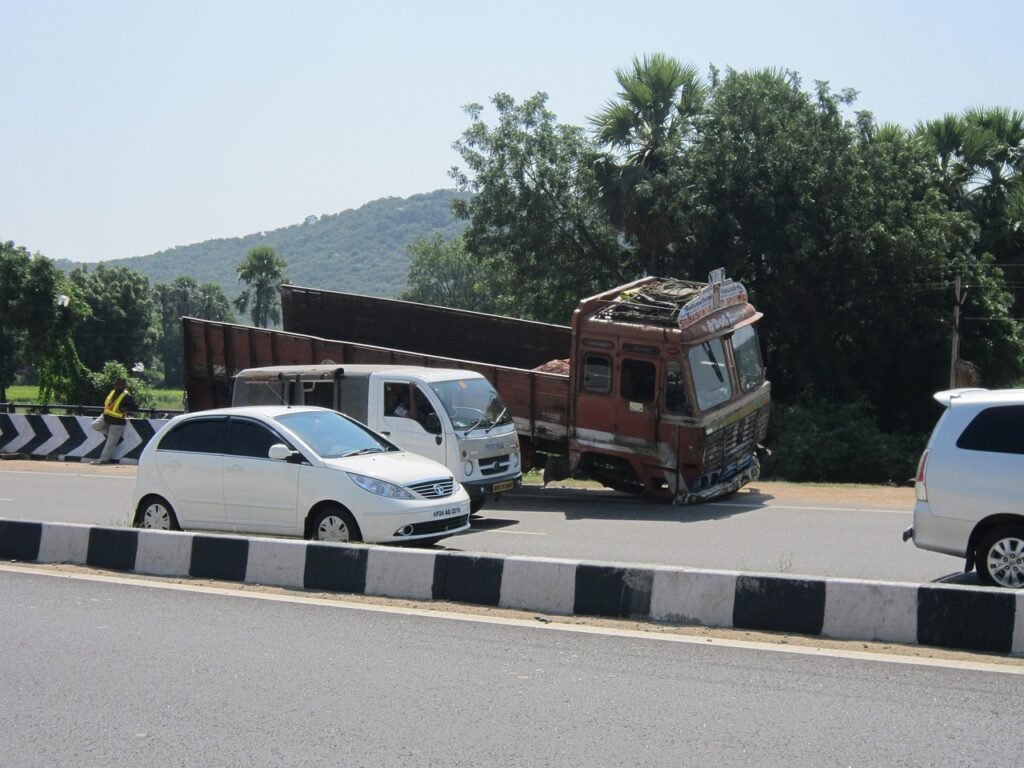
Auto insurance can seem complicated, but understanding the different types of coverage is crucial for protecting yourself and your finances. Liability coverage is a foundational element of most auto insurance policies, offering financial protection if you’re at fault in an accident. This blog post breaks down what liability auto insurance is, how it works, and why it’s so important.
Understanding Auto Insurance Liability Coverage
What is Liability Auto Insurance?
Liability auto insurance covers the costs if you are found legally responsible for an accident that causes bodily injury or property damage to others. This means that if you cause a car accident, your liability insurance can help pay for the other driver’s medical bills, car repairs, and other related expenses. It does not cover your own injuries or damages to your vehicle – for that, you would need collision or comprehensive coverage.
Two Main Components: Bodily Injury and Property Damage
Liability coverage is typically divided into two parts:
- Bodily Injury Liability: This covers the costs associated with injuries to the other driver, their passengers, or pedestrians. These costs can include medical bills, lost wages, rehabilitation, and even pain and suffering.
- Property Damage Liability: This covers the costs to repair or replace the other driver’s vehicle or other property damaged in the accident, such as fences, buildings, or landscaping.
Liability Limits: Understanding the Numbers
Your liability coverage is expressed as a series of numbers, such as 50/100/50. Let’s break down what those numbers mean:
- The first number (e.g., 50) represents the maximum amount (in thousands of dollars) your insurance will pay for bodily injury to one person in an accident. So, 50 represents $50,000.
- The second number (e.g., 100) represents the maximum amount (in thousands of dollars) your insurance will pay for bodily injuries to all people injured in one accident. In this case, 100 represents $100,000.
- The third number (e.g., 50) represents the maximum amount (in thousands of dollars) your insurance will pay for property damage in one accident. 50 represents $50,000.
- Example: If you have 50/100/50 coverage and cause an accident where one person is injured, your insurance will pay up to $50,000 for their injuries. If multiple people are injured, the total payout for all injuries cannot exceed $100,000. Your policy will pay up to $50,000 for property damage.
Why is Liability Insurance Important?
State Requirements
In nearly all states, some level of liability insurance is legally required to operate a vehicle. Driving without the minimum required liability coverage can result in fines, license suspension, and even jail time in some cases.
Financial Protection
Even if your state doesn’t require high liability limits, carrying adequate coverage can protect you from significant financial risk. Accidents can be incredibly expensive, and being held liable for injuries or property damage can lead to lawsuits and significant out-of-pocket expenses.
Avoiding Lawsuits
If you cause an accident and your insurance coverage is insufficient to cover the damages, the injured party may sue you to recover the remaining costs. A lawsuit can be financially devastating, potentially leading to wage garnishment or the seizure of assets.
Peace of Mind
Knowing you have adequate liability coverage can provide peace of mind while driving. You can rest assured that you have a financial safety net in place if you accidentally cause an accident.
Determining the Right Liability Coverage Limits
Assessing Your Risk
Several factors can help you determine the right liability coverage limits for your needs:
- Assets: Consider your net worth. If you have significant assets (home, investments, savings), you may want higher liability limits to protect them in the event of a lawsuit.
- Driving Habits: Do you commute daily during rush hour? Do you frequently drive in areas with high traffic density? More driving increases your risk of an accident.
- State Laws: Research the minimum liability requirements in your state, but don’t necessarily settle for the minimum.
- Umbrella Insurance: Consider purchasing an umbrella policy, which provides additional liability coverage above your auto and homeowner’s policies.
Common Coverage Levels
While minimum liability requirements vary by state, here are some common coverage levels to consider:
- 50/100/50: This is a lower level of coverage and may be suitable for drivers with few assets and a low risk profile.
- 100/300/100: This is a more moderate level of coverage that provides greater financial protection.
- 250/500/100 or higher: These are higher levels of coverage that are recommended for drivers with significant assets or a high risk profile.
- Tip: It’s often recommended to carry liability limits equal to or greater than your net worth.
Talking to an Insurance Agent
The best way to determine the right liability coverage limits is to speak with a qualified insurance agent. They can assess your individual needs and recommend coverage options that provide adequate protection. They can also explain the implications of different coverage levels and help you find affordable rates.
What Happens After an Accident?
Reporting the Accident
If you are involved in an accident where someone is injured or property damage exceeds a certain amount (as defined by your state), you are typically required to report the accident to the police and your insurance company.
Claim Process
Your insurance company will investigate the accident to determine who was at fault. If you are found to be at fault, your liability coverage will kick in to cover the other party’s damages, up to your policy limits.
Legal Representation
If the accident results in a lawsuit, your insurance company will typically provide legal representation to defend you. However, it’s important to understand the limits of your policy and whether additional legal fees may be your responsibility.
What Happens if Your Coverage Isn’t Enough?
If the damages exceed your liability limits, you will be responsible for paying the remaining amount out of pocket. This could involve dipping into savings, selling assets, or even facing wage garnishment. This is why it’s so important to carry adequate liability coverage.
Conclusion
Liability auto insurance is a vital component of any comprehensive insurance plan. It protects you from significant financial risk if you are at fault in an accident, covering expenses for bodily injury and property damage to others. By understanding the different components of liability coverage, assessing your individual needs, and choosing appropriate coverage limits, you can drive with confidence knowing you’re protected. Don’t underestimate the importance of this coverage; it can truly safeguard your financial future. Consult with a trusted insurance professional to ensure you have the right amount of liability coverage for your specific circumstances.