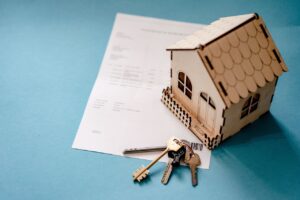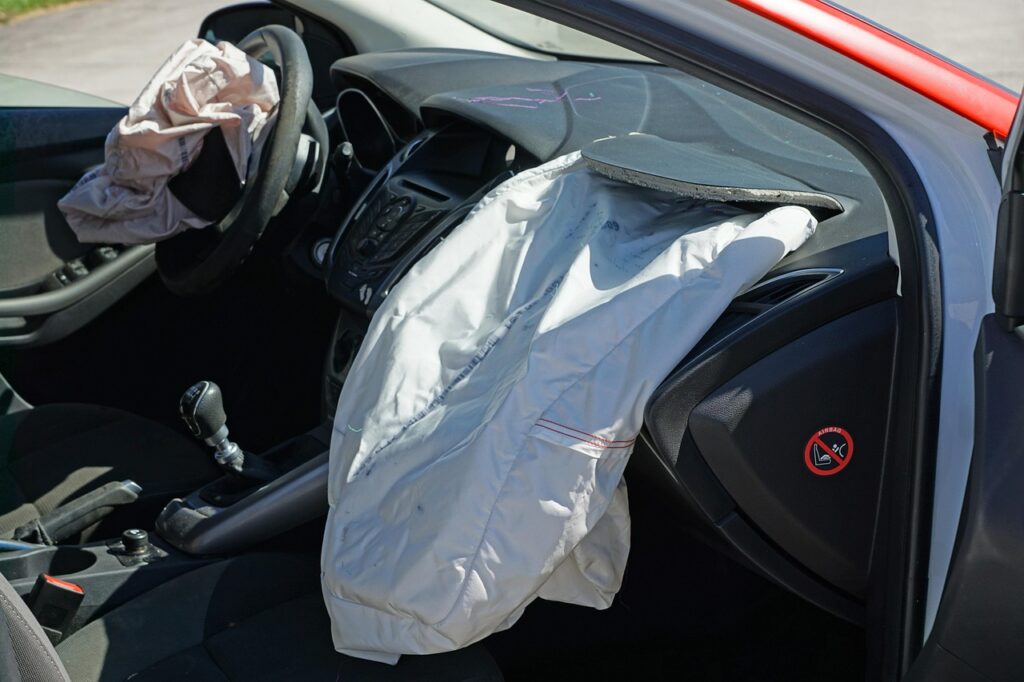
Homeowners insurance is a crucial safety net, protecting your most valuable asset against unforeseen events. Choosing the right homeowners insurance provider can feel overwhelming, but understanding the different types of coverage, evaluating your specific needs, and comparing providers will help you secure the best protection for your home and peace of mind. This comprehensive guide will navigate you through the landscape of homeowners insurance providers, offering insights and actionable advice to make an informed decision.
Understanding Homeowners Insurance Coverage
Types of Policies
Homeowners insurance policies aren’t one-size-fits-all. They come in different types, each offering varying levels of coverage. Understanding these differences is the first step to finding the right policy.
- HO-1 (Basic Form): This is the most basic and least comprehensive type, covering perils like fire, lightning, windstorm, hail, explosion, riot, vandalism, theft, and volcanic eruption. It’s not commonly offered anymore.
- HO-2 (Broad Form): A step up from HO-1, it adds coverage for falling objects, weight of snow, ice, or sleet, accidental discharge of water or steam, and sudden and accidental tearing apart, cracking, burning, or bulging of a steam or hot water heating system.
- HO-3 (Special Form): The most common type of homeowners insurance. It provides “all-risk” coverage for your dwelling, meaning it covers all perils except those specifically excluded in the policy (e.g., earthquakes, floods). Contents are typically covered on a named-peril basis, similar to HO-2.
- HO-5 (Comprehensive Form): Offers the most comprehensive coverage, providing “all-risk” coverage for both your dwelling and personal property.
- HO-8 (Modified Coverage Form): Designed for older homes where the replacement cost exceeds the market value. It usually covers fewer perils than other forms and uses a repair cost valuation instead of replacement cost.
- Example: If a tree falls on your roof, an HO-3 policy will likely cover the damage to your roof (unless the policy explicitly excludes damage from falling trees). However, if your personal belongings inside the house are damaged by the falling tree, the coverage would depend on the “named perils” covered for contents in your HO-3 policy.
Key Coverage Components
Homeowners insurance typically includes several key coverage components:
- Dwelling Coverage: Protects the physical structure of your home, including the walls, roof, and attached structures like a garage or deck.
- Personal Property Coverage: Covers your belongings, such as furniture, clothing, electronics, and appliances, even when they are away from home (subject to policy limits and exclusions).
- Liability Coverage: Protects you if someone is injured on your property or if you accidentally damage someone else’s property. It covers legal fees and damages you’re obligated to pay.
- Additional Living Expenses (ALE): Also known as loss of use coverage, it pays for temporary housing and living expenses if you cannot live in your home due to a covered loss (e.g., fire, storm damage).
- Example: If a guest slips and falls on your icy driveway, your liability coverage could cover their medical expenses and any potential legal fees if they sue you. ALE would cover hotel costs if a fire renders your home uninhabitable.
Deciding on Coverage Amounts
Determining the right coverage amounts is crucial. Underinsuring your home can leave you with significant out-of-pocket expenses after a loss.
- Dwelling Coverage: Should equal the cost to rebuild your home, not the market value. Get an independent appraisal or use a reputable online estimator to determine the replacement cost.
- Personal Property Coverage: Most policies offer coverage equal to 50-75% of your dwelling coverage. Take a home inventory with photos and receipts to accurately assess the value of your belongings.
- Liability Coverage: Experts generally recommend a minimum of $300,000 in liability coverage, but higher limits ($500,000 or $1 million) are often advisable, especially if you have significant assets.
- Deductible: The amount you pay out-of-pocket before your insurance coverage kicks in. A higher deductible typically results in a lower premium, but make sure you can afford to pay the deductible if you need to file a claim.
- Tip: Regularly review your coverage limits and adjust them as needed, especially after renovations or major purchases. Also, consider an umbrella policy for extra liability protection above your homeowners and auto insurance limits.
Top Homeowners Insurance Providers
Evaluating Provider Factors
Choosing a homeowners insurance provider involves evaluating several crucial factors:
- Financial Strength: Look for providers with high ratings from independent agencies like A.M. Best, Standard & Poor’s, and Moody’s. Strong financial stability indicates the insurer’s ability to pay out claims.
- Customer Service: Read online reviews and check customer satisfaction ratings from organizations like J.D. Power. A provider with excellent customer service can make the claims process much smoother.
- Coverage Options: Ensure the provider offers the specific types of coverage you need, including endorsements (add-ons) for unique risks like flood, earthquake, or valuable items.
- Pricing and Discounts: Compare quotes from multiple providers to find the best combination of coverage and price. Ask about available discounts, such as those for bundling policies, installing security systems, or being a new homeowner.
Popular Insurance Companies
Here are some of the well-known homeowners insurance providers, along with their strengths and weaknesses:
- State Farm: Known for strong customer service and a wide network of agents. May be pricier than some competitors.
- Allstate: Offers a variety of policy options and discounts, and has a robust online platform. Customer satisfaction ratings are generally good.
- USAA: Exclusively for military members and their families. Consistently receives high customer satisfaction ratings and offers competitive rates.
- Liberty Mutual: Provides a range of coverage options and discounts, and has a user-friendly website and mobile app.
- Travelers: Offers customizable policies and discounts, and has a strong financial rating.
- Important Note: This list is not exhaustive, and the “best” provider depends on your individual needs and circumstances. Always compare quotes and read reviews before making a decision.
Regional vs. National Providers
Consider whether a regional or national provider is right for you.
- National Providers: Offer greater financial stability, wider coverage areas, and often more sophisticated technology.
- Regional Providers: May offer more personalized service and a better understanding of local risks and regulations. They sometimes offer specialized coverage for unique regional concerns, such as hurricane or wildfire damage.
- Example: If you live in a hurricane-prone area, a regional insurer specializing in hurricane coverage might offer a more tailored policy than a national provider.
Understanding the Claims Process
Filing a Claim
Knowing how to file a claim is crucial when disaster strikes.
- Contact your insurance provider as soon as possible after a covered loss. Have your policy number and details of the incident ready.
- Document the damage. Take photos and videos of the damage before making any repairs.
- Protect your property from further damage. Take reasonable steps to prevent further loss, such as boarding up windows or covering a damaged roof.
- Keep receipts for any emergency repairs or temporary living expenses. You will need these to submit your claim.
- Cooperate with the insurance adjuster. They will inspect the damage and assess the amount of your loss.
Working with an Adjuster
The insurance adjuster plays a key role in the claims process.
- Be prepared to provide them with all relevant information, including photos, videos, receipts, and police reports (if applicable).
- Understand your policy’s coverage and limitations. Review your policy documents carefully.
- Get multiple estimates for repairs. This will help ensure you receive a fair settlement.
- Don’t hesitate to ask questions and seek clarification on anything you don’t understand.
- Tip: Consider hiring a public adjuster if you have a large or complex claim. A public adjuster is an independent professional who can advocate for you and help you negotiate a fair settlement with the insurance company.
Dispute Resolution
If you disagree with the insurance company’s settlement offer, you have options.
- Negotiate with the insurance company. Present any additional evidence or information that supports your claim.
- File a formal complaint with your state’s insurance department. The department will investigate the complaint and may mediate a resolution.
- Pursue mediation or arbitration. These are alternative dispute resolution methods that can help you reach a settlement.
- File a lawsuit. This is a last resort, but it may be necessary if you cannot resolve the dispute through other means.
- Important Note: Be aware of the deadlines for filing a claim or lawsuit in your state. Missing these deadlines could jeopardize your ability to recover compensation.
Saving Money on Homeowners Insurance
Increasing Your Deductible
As mentioned earlier, a higher deductible generally translates to a lower premium. Carefully consider your financial situation and risk tolerance before increasing your deductible. Make sure you can comfortably afford to pay the higher deductible if you need to file a claim.
- Example: Increasing your deductible from $500 to $1,000 could save you 10-20% on your premium.
Bundling Policies
Many insurance companies offer discounts for bundling your homeowners and auto insurance policies. This can be a significant cost-saving measure.
- Example: Bundling your homeowners and auto insurance could save you 5-15% on both policies.
Home Security Systems
Installing a home security system can qualify you for a discount on your homeowners insurance. Security systems that include features like fire and burglar alarms, sprinkler systems, and 24/7 monitoring typically result in larger discounts.
- Example: A professionally monitored security system could save you 5-10% on your premium.
Home Improvements
Certain home improvements can also lead to lower insurance premiums. Upgrading your electrical, plumbing, or HVAC systems, or reinforcing your roof, can reduce the risk of certain types of losses and qualify you for discounts.
- Example: Replacing an old roof with a wind-resistant roof could reduce your premium.
Shop Around and Compare Quotes
The most effective way to save money on homeowners insurance is to shop around and compare quotes from multiple providers. Don’t settle for the first quote you receive. Use online comparison tools or work with an independent insurance agent to get quotes from several different companies.
- Actionable takeaway: Get quotes from at least three different providers before making a decision.
Conclusion
Choosing the right homeowners insurance provider is a critical decision that requires careful consideration. By understanding the different types of coverage, evaluating your individual needs, comparing providers, and taking steps to save money, you can secure the best protection for your home and enjoy peace of mind knowing that you are adequately covered against unforeseen events. Take the time to research, compare, and choose a provider that meets your specific needs and budget.