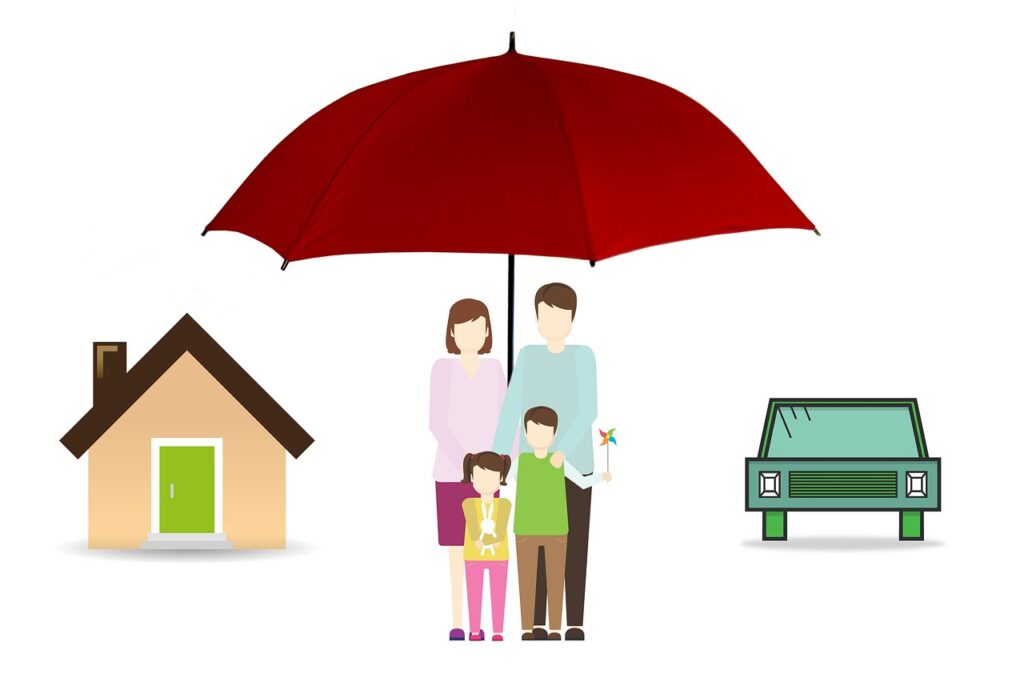
Protecting your property is about more than just insuring against physical damage. Property liability coverage safeguards you from financial losses if someone is injured or experiences property damage while on your property. Understanding the ins and outs of this coverage is crucial for homeowners, landlords, and business owners alike. This blog post will explore the essentials of property liability coverage, helping you make informed decisions to protect your assets.
Understanding Property Liability Coverage
Property liability coverage, often included within homeowners, renters, or commercial property insurance policies, provides financial protection when you are legally responsible for bodily injury or property damage to others on your property. This coverage helps pay for medical expenses, legal fees, and damages if you are sued.
What Does Property Liability Cover?
Property liability insurance typically covers the following:
- Bodily Injury: Costs associated with injuries sustained by a visitor on your property. This could include medical bills, rehabilitation, lost wages, and pain and suffering.
- Property Damage: Costs to repair or replace someone else’s damaged property.
- Legal Defense: Coverage for legal fees and court costs if you are sued due to an incident on your property.
- Medical Payments: (Sometimes a separate coverage) Pays for immediate medical expenses for injuries sustained on your property, regardless of fault. This coverage can help prevent lawsuits.
For example, imagine a guest slips and falls on your icy front steps, breaks their arm, and requires surgery. Property liability coverage can help pay for their medical bills and associated costs. Or, consider a tree on your property falls onto your neighbor’s car, causing significant damage. Liability coverage would help cover the repair costs.
Situations Commonly Covered
Property liability can protect you in a wide range of scenarios, including:
- Slip and fall accidents: Someone tripping over a loose rug, falling on a wet floor, or slipping on ice.
- Dog bites: Injuries caused by your dog to a visitor.
- Swimming pool accidents: Injuries or drownings in your swimming pool.
- Injuries caused by falling objects: A loose roof tile falling and hitting someone.
- Damage caused by trees or branches: A tree on your property falling and damaging a neighbor’s fence or building.
Common Exclusions
While comprehensive, property liability coverage typically excludes the following:
- Intentional Acts: Injuries or damage caused intentionally by you or a member of your household.
- Business Activities: Liability arising from business operations conducted on your property (unless specifically covered by a business insurance policy).
- Vehicle Accidents: Accidents involving cars or other vehicles are typically covered under auto insurance policies.
- Communicable Diseases: Liability arising from the transmission of communicable diseases.
- Worker’s Compensation: Injuries sustained by employees on your property are generally covered by worker’s compensation insurance (if applicable).
Determining the Right Coverage Amount
Choosing the right liability coverage amount is crucial. Insufficient coverage can leave you vulnerable to significant financial loss if a large claim arises.
Factors to Consider
Several factors influence the appropriate coverage amount:
- Value of your assets: Consider the total value of your assets (home, savings, investments). Your liability coverage should be high enough to protect these assets in case of a lawsuit.
- Risk factors: Assess the potential risks on your property, such as a swimming pool, trampoline, or aggressive dog. Higher risk properties typically require higher coverage.
- State laws: Some states have laws that may impact your liability. Consult with a local insurance agent to understand your state’s specific requirements.
- Personal umbrella policy: Consider adding a personal umbrella policy for extra liability protection. Umbrella policies provide coverage above and beyond your standard homeowners or property insurance limits.
Example Scenarios
To illustrate, consider these scenarios:
- Minimal Coverage: A young single homeowner with minimal assets might be adequately covered with $300,000 in liability coverage.
- Moderate Coverage: A family with a home and some savings might need $500,000 to $1 million in coverage.
- High Coverage: A homeowner with significant assets, a swimming pool, and a dog might require $1 million or more in coverage, potentially supplemented with an umbrella policy.
How to Increase Your Coverage
- Review your current policy: Contact your insurance provider to review your current coverage limits and discuss options for increasing them.
- Shop around: Get quotes from multiple insurance companies to compare coverage options and premiums.
- Consider an umbrella policy: A personal umbrella policy provides additional liability coverage beyond your existing policies.
Maintaining a Safe Property
While property liability coverage is essential, proactively maintaining a safe property can reduce the likelihood of accidents and claims.
Steps to Minimize Risk
- Regular inspections: Conduct regular inspections of your property to identify and address potential hazards, such as loose railings, uneven walkways, or damaged steps.
- Proper maintenance: Keep your property well-maintained by repairing any hazards promptly. This includes fixing broken steps, clearing ice and snow, and trimming overgrown trees.
- Warning signs: Post clear warning signs for potential hazards, such as “Wet Floor” or “Beware of Dog.”
- Secure your pool: If you have a swimming pool, ensure it is properly fenced and gated to prevent unauthorized access and accidental drownings.
- Train your dog: If you own a dog, provide proper training and socialization to reduce the risk of bites.
Documenting Safety Measures
Keep records of your safety measures to demonstrate your commitment to maintaining a safe property. This documentation can be helpful in the event of a claim.
- Inspection logs: Keep a log of your property inspections, noting any hazards identified and the steps taken to address them.
- Maintenance records: Maintain records of repairs and maintenance work performed on your property.
- Photos: Take photos of your property to document its condition and any safety measures in place.
The Role of Landlords
Landlords have a legal responsibility to maintain a safe property for their tenants and visitors. This includes:
- Ensuring common areas are safe: Keeping hallways, stairwells, and parking lots free from hazards.
- Performing regular maintenance: Promptly addressing any maintenance issues reported by tenants.
- Complying with safety codes: Ensuring the property meets all applicable building codes and safety regulations.
Navigating a Property Liability Claim
Knowing what to do when a property liability incident occurs is essential for protecting your interests.
Steps to Take After an Incident
- Provide immediate assistance: If someone is injured, provide immediate assistance and call for medical help if necessary.
- Document the incident: Gather as much information as possible about the incident, including the date, time, location, and details of what happened. Take photos of the scene and any injuries or property damage.
- Obtain contact information: Get the contact information of the injured party and any witnesses.
- Report the incident to your insurance company: Contact your insurance company as soon as possible to report the incident and file a claim.
- Do not admit fault: Avoid admitting fault or making any statements that could be used against you in a lawsuit.
- Cooperate with your insurer: Cooperate fully with your insurance company’s investigation of the claim.
Working with Your Insurance Company
Your insurance company will investigate the claim and determine if you are liable for the injuries or damages. They will also negotiate with the injured party or their attorney to reach a settlement.
- Provide all requested information: Provide your insurance company with all the information they request in a timely manner.
- Attend depositions: You may be required to attend a deposition, where you will be asked questions under oath about the incident.
- Seek legal counsel: If you are sued, your insurance company will provide you with legal representation. However, you may also want to hire your own attorney to protect your interests.
Settling the Claim
The goal of the claims process is to reach a fair settlement that compensates the injured party for their losses. This may involve:
- Negotiation: Your insurance company will negotiate with the injured party or their attorney to reach a mutually agreeable settlement.
- Mediation: Mediation is a process where a neutral third party helps the parties reach a settlement.
- Arbitration: Arbitration is a process where a neutral third party makes a binding decision on the claim.
- Litigation: If a settlement cannot be reached, the case may proceed to litigation.
Conclusion
Property liability coverage is a vital component of any comprehensive insurance plan. Understanding what it covers, how to determine the right coverage amount, and how to maintain a safe property can help you protect yourself from significant financial losses. By taking proactive steps to minimize risk and being prepared to handle incidents effectively, you can safeguard your assets and ensure your peace of mind. Review your property liability coverage annually with your insurance provider to ensure it aligns with your current needs and risk profile.