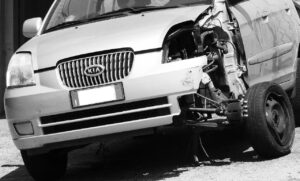
Commercial tools are the lifeblood of many businesses, from construction and landscaping to auto repair and specialized manufacturing. When these essential assets are damaged, lost, or stolen, it can lead to significant financial setbacks, project delays, and even business closures. Investing in commercial tool insurance isn’t just a smart move; it’s a crucial safeguard against unforeseen circumstances that can threaten your livelihood.
Understanding Commercial Tool Insurance
What is Commercial Tool Insurance?
Commercial tool insurance, also known as contractor’s equipment insurance or inland marine insurance, is a specialized type of insurance designed to protect your business tools and equipment. Unlike standard property insurance, which typically covers items at a fixed location, tool insurance covers your tools wherever they are – at the job site, in transit, or stored elsewhere. It’s particularly important for businesses that rely on portable tools and equipment.
- Covers tools and equipment owned, rented, or leased.
- Protects against a range of perils, including theft, vandalism, fire, and water damage.
- Provides financial protection to replace or repair damaged or stolen tools.
Who Needs Commercial Tool Insurance?
If your business depends on tools and equipment, you likely need commercial tool insurance. Here are some examples of businesses that can benefit:
- Construction Contractors: Protects power tools, generators, scaffolding, and other construction equipment.
Example: A construction company’s jobsite trailer is broken into, and $15,000 worth of power tools are stolen. Tool insurance would cover the cost to replace these tools, allowing the project to continue on schedule.
- Landscaping Companies: Covers lawnmowers, trimmers, chainsaws, and other landscaping equipment.
Example: A landscaper’s truck, containing all his equipment, is involved in an accident. The insurance policy would cover the damage to the truck and the cost to replace or repair the damaged landscaping tools.
- HVAC Technicians: Protects specialized tools, gauges, and diagnostic equipment used in HVAC services.
Example: During a heavy rainstorm, an HVAC technician’s van is flooded, damaging sensitive diagnostic equipment. Tool insurance would cover the repair or replacement costs.
- Auto Mechanics: Covers diagnostic tools, wrenches, lifts, and other automotive repair equipment.
Example: A fire breaks out in an auto repair shop, destroying thousands of dollars worth of tools. The tool insurance policy would cover the replacement costs, enabling the shop to reopen quickly.
- Carpenters: Protects saws, drills, planers, and other woodworking tools.
Determining the Right Coverage Amount
It’s crucial to accurately assess the value of your tools and equipment to ensure you have adequate coverage. Consider the following:
- Create an Inventory: Compile a detailed list of all tools and equipment, including make, model, serial number, and purchase date.
- Determine Replacement Cost: Research the current replacement cost of each item. Don’t rely on the original purchase price, as prices may have changed.
- Factor in Depreciation: While some policies offer replacement cost coverage, others may only cover the actual cash value (ACV), which factors in depreciation. Understanding the difference is essential.
- Consider Limits: Most policies have coverage limits. Ensure the limit is sufficient to cover the total value of your tools.
Types of Commercial Tool Insurance Coverage
Comprehensive Coverage
Comprehensive tool insurance provides the broadest protection, covering a wide range of perils.
- Theft: Covers tools stolen from a job site, vehicle, or storage location.
- Vandalism: Protects against damage caused by intentional acts of vandalism.
- Fire: Covers damage caused by fire, including wildfires and electrical fires.
- Water Damage: Protects against damage caused by floods, leaks, and other water-related incidents.
- Collision: Covers damage caused by collisions involving vehicles transporting tools.
- Overturn: Protects against damage caused by equipment overturning.
Named Peril Coverage
Named peril coverage only covers specific perils listed in the policy. While it may be more affordable, it offers less protection than comprehensive coverage.
- Carefully review the list of covered perils to ensure it meets your needs.
- This type of coverage might be suitable if you’re primarily concerned about specific risks, such as theft.
- Example: If the policy only covers fire and theft, any damage caused by a flood would not be covered.
Rented or Leased Equipment Coverage
This type of coverage protects tools and equipment that your business rents or leases.
- Essential if your business relies on rental equipment for projects.
- Ensures you’re not financially responsible for damage or loss of rented equipment.
- Often required by rental companies as part of the rental agreement.
Factors Affecting the Cost of Commercial Tool Insurance
Several factors influence the cost of your commercial tool insurance premium:
- Coverage Amount: Higher coverage amounts generally result in higher premiums.
- Deductible: Choosing a higher deductible can lower your premium, but it also means you’ll pay more out of pocket in the event of a claim.
- Type of Coverage: Comprehensive coverage is typically more expensive than named peril coverage.
- Business Type: Some industries are considered higher risk than others, resulting in higher premiums.
- Location: Geographic location can impact premiums due to factors like crime rates and weather patterns.
- Claims History: Businesses with a history of claims may pay higher premiums.
- Security Measures: Implementing security measures, such as alarms and GPS tracking, can help lower your premium.
Tips for Choosing the Right Commercial Tool Insurance Policy
Choosing the right commercial tool insurance policy requires careful consideration. Here are some tips to help you make an informed decision:
- Shop Around: Get quotes from multiple insurance providers to compare coverage and pricing.
- Read the Fine Print: Carefully review the policy terms and conditions, including exclusions and limitations.
- Understand the Claims Process: Ask about the claims process and what documentation is required.
- Consider Your Business Needs: Choose a policy that aligns with your specific risks and business requirements.
- Work with an Experienced Agent: A knowledgeable insurance agent can help you navigate the options and find the best coverage for your business.
- Review Your Policy Regularly: As your business grows and changes, periodically review your policy to ensure it continues to meet your needs.
Conclusion
Investing in commercial tool insurance is a critical step in protecting your business from financial losses due to damaged, lost, or stolen tools. By understanding the different types of coverage available, the factors that affect the cost, and how to choose the right policy, you can safeguard your livelihood and ensure your business remains resilient in the face of unexpected events. Don’t wait until disaster strikes; take proactive steps to protect your valuable assets today.