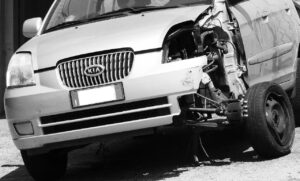
Tool and machinery insurance is a critical safeguard for any business that relies on equipment to operate. From construction companies and manufacturing plants to mechanics and woodworkers, protecting your valuable tools and machinery from damage, theft, and breakdown is essential for maintaining productivity and profitability. Without the right insurance coverage, a single incident could lead to significant financial losses, project delays, and even business closure.
Understanding Tool and Machinery Insurance
What is Tool and Machinery Insurance?
Tool and machinery insurance provides financial protection for your business equipment against a range of risks. Unlike standard property insurance, which usually covers buildings and fixtures, tool and machinery insurance focuses specifically on movable equipment, tools, and machinery used in your business operations. This coverage is designed to minimize the financial impact of unforeseen events that could damage, destroy, or render your equipment unusable.
Why is it Important?
Investing in tool and machinery insurance offers numerous benefits:
- Financial Security: Replaces or repairs damaged or stolen equipment, minimizing out-of-pocket expenses.
- Business Continuity: Reduces downtime by providing funds for quick repairs or replacements, ensuring operations can resume quickly.
- Peace of Mind: Offers assurance that your investment in equipment is protected, allowing you to focus on running your business.
- Compliance: Many contracts and industries require proof of insurance coverage.
- Tax Benefits: Insurance premiums can often be tax-deductible as a business expense (Consult with your tax advisor).
Consider a carpentry business: A sudden fire in the workshop could destroy thousands of dollars worth of power tools, woodworking machinery, and other equipment. Without tool and machinery insurance, the business owner would be responsible for the full cost of replacing everything, potentially crippling the business. With insurance, however, the cost would be covered, enabling the business to get back up and running much faster.
What Does Tool and Machinery Insurance Cover?
Covered Perils
Tool and machinery insurance typically covers a wide range of perils, including:
- Fire: Damage caused by fire, lightning, or explosions.
- Theft: Loss due to burglary, robbery, or vandalism.
- Vandalism: Intentional damage to your equipment.
- Water Damage: Damage caused by burst pipes, floods, or other water-related events (coverage for flood may be limited and require a separate policy).
- Accidental Damage: Unforeseen damage caused by accidents or mishaps.
- Mechanical Breakdown: Unexpected failure of machinery due to internal issues (often requires specialized coverage).
- Electrical Damage: Damage caused by power surges or electrical malfunctions.
- Transit: Coverage for equipment while it’s being transported (important for contractors and mobile businesses).
Exclusions
It’s important to understand the exclusions in your policy. Common exclusions may include:
- Wear and Tear: Gradual deterioration due to normal use.
- Pre-existing Conditions: Damage that existed before the policy was purchased.
- Lack of Maintenance: Damage resulting from improper maintenance or neglect.
- Intentional Acts: Damage caused intentionally by the policyholder.
- War and Terrorism: Damage resulting from acts of war or terrorism (may require specialized coverage).
- Certain Natural Disasters: Depending on the policy and location, certain natural disasters like earthquakes might require separate coverage.
Actionable Takeaway: Review your policy documents carefully to understand the specific perils covered and the exclusions that apply. Talk to your insurance provider if you have any questions or concerns.
Types of Tool and Machinery Insurance Coverage
Inland Marine Insurance
Inland marine insurance is a broad category that often covers tools and equipment that are mobile or in transit. This type of coverage is particularly useful for contractors, tradespeople, and businesses that frequently move their equipment between job sites.
- Coverage for equipment in transit: Protects equipment while being transported by truck, train, or other means.
- Coverage for equipment at temporary locations: Covers equipment stored at job sites or other temporary locations.
- Coverage for leased or rented equipment: Can be extended to cover equipment you lease or rent from others.
Equipment Breakdown Insurance (Boiler and Machinery Insurance)
Equipment breakdown insurance (also known as boiler and machinery insurance) covers the cost of repairing or replacing equipment that suffers mechanical or electrical breakdown. This coverage is especially important for businesses that rely on complex machinery, such as manufacturing plants, processing facilities, and hospitals.
- Coverage for internal breakdown: Covers damage resulting from internal mechanical or electrical failure.
- Coverage for resulting damage: Can cover damage to other property caused by the breakdown (e.g., damage to inventory caused by a refrigeration system failure).
- Coverage for business interruption: May provide coverage for lost income resulting from the equipment breakdown.
Example: A printing company’s expensive printing press suffers a mechanical failure, causing significant damage and disrupting operations. Equipment breakdown insurance would cover the cost of repairing or replacing the press, as well as any lost income resulting from the downtime.
Business Property Insurance
While business property insurance primarily covers buildings and fixtures, it can also be extended to cover tools and machinery. However, the coverage may be limited, and it may not cover all the perils that tool and machinery insurance does. It’s important to carefully review your business property insurance policy to understand its limitations.
- Coverage for tools and machinery on-site: Typically covers tools and machinery located within your business premises.
- Limited coverage for off-site equipment: May offer some coverage for equipment temporarily removed from your premises, but this is often limited.
Actionable Takeaway: Consider the mobility of your equipment and the types of risks it faces to determine which type of coverage is best for your business.
Factors Affecting Insurance Costs
Type of Equipment
The type of equipment you need to insure is a primary factor in determining your premium. High-value, specialized equipment will generally result in higher premiums than common hand tools.
Value of Equipment
The total value of your insured equipment directly impacts the cost of your insurance. Higher-value equipment necessitates higher coverage limits, leading to increased premiums. Consider insuring equipment at its replacement cost, which is the current cost to purchase new replacements, rather than its depreciated value.
Industry and Risk Factors
Certain industries and activities carry higher risks than others. For example, construction and manufacturing often involve more potential for damage or theft compared to office-based businesses. The risk associated with your industry will influence your premium.
Coverage Limits and Deductibles
The coverage limits you choose will affect your premium. Higher coverage limits provide more protection but also result in higher premiums. Similarly, the deductible you select (the amount you pay out-of-pocket before the insurance kicks in) impacts your premium. Higher deductibles typically result in lower premiums, but you’ll need to be prepared to cover that amount in the event of a claim.
Location
Your business’s location can affect your insurance costs. Areas with higher rates of theft, vandalism, or natural disasters will generally have higher premiums. Security measures, such as alarms and surveillance systems, can potentially lower your premiums.
Policy Options and Add-ons
Optional coverages and add-ons, such as business interruption insurance or coverage for leased equipment, will increase your premium. Carefully evaluate your business needs to determine which add-ons are necessary and worthwhile.
Example: A small landscaping company insuring basic lawnmowers will likely pay significantly less than a construction company insuring excavators and bulldozers. The construction company’s equipment is more valuable, subject to more risks, and operates in a more hazardous environment, leading to higher insurance costs.
Choosing the Right Insurance Provider
Research and Compare Quotes
Don’t settle for the first insurance quote you receive. Take the time to research different insurance providers and compare their policies and prices. Online comparison tools can be helpful for getting multiple quotes quickly.
Check for Experience and Reputation
Choose an insurance provider with experience in insuring tools and machinery in your industry. A provider with a solid reputation for customer service and claims handling is also essential.
Understand Policy Terms and Conditions
Carefully review the policy terms and conditions before making a decision. Pay attention to the covered perils, exclusions, coverage limits, and deductibles. Don’t hesitate to ask questions if anything is unclear.
Consider Bundling Policies
Many insurance providers offer discounts for bundling multiple policies, such as tool and machinery insurance with general liability or commercial auto insurance. Inquire about bundling options to potentially save money.
Read Reviews and Testimonials
Check online reviews and testimonials to get insights into other customers’ experiences with the insurance provider. Look for patterns in the reviews to get a sense of the provider’s strengths and weaknesses.
Actionable Takeaway: Select an insurance provider that understands your specific business needs and offers a policy that provides comprehensive coverage at a competitive price.
Conclusion
Protecting your tools and machinery with the right insurance is an investment in the long-term success and stability of your business. By understanding the different types of coverage available, the factors that affect insurance costs, and how to choose the right provider, you can ensure that your valuable equipment is adequately protected against unforeseen events. Don’t wait until disaster strikes – take the time to assess your needs and secure the coverage that’s right for your business today. This will give you peace of mind, knowing that you’re prepared for whatever the future may hold.